Introduction
Have you
ever wondered how many different ways there are to cook food?
From grilling a smoky kebab to steaming a basket of vegetables, every method
changes the flavor, texture, and even nutrition of the ingredients.
Cooking is not just about following recipes — it’s about understanding how heat interacts with food. Each method, whether it uses water, oil, or air, serves a unique purpose in the kitchen.
In this comprehensive guide, we’ll explore how many types of cooking methods exist, how they’re categorized, what makes them different, and which ones are best for health, flavor, and efficiency.
1️Understanding the Science Behind Cooking Methods
Cooking is a process of applying heat to food to make it safe, digestible, and flavorful.
The main goals of cooking include:
- Enhancing flavor and aroma through caramelization or browning
- Improving texture by softening fibers and proteins
- Preserving or transforming nutrients for better digestion
- Ensuring safety by destroying harmful bacteria
Depending on how heat is transferred — through air, water, or fat — cooking methods fall into three main categories:
- Dry Heat Cooking Methods
- Moist Heat Cooking Methods
- Combination Cooking Methods
Let’s explore each in detail.
2️The Three Main Types of Cooking Methods
1. Dry Heat Cooking Methods
Dry heat cooking uses air, metal, or fat (oil) as the medium of heat transfer. No water is used directly.
Common Methods Include:
- Baking
- Roasting
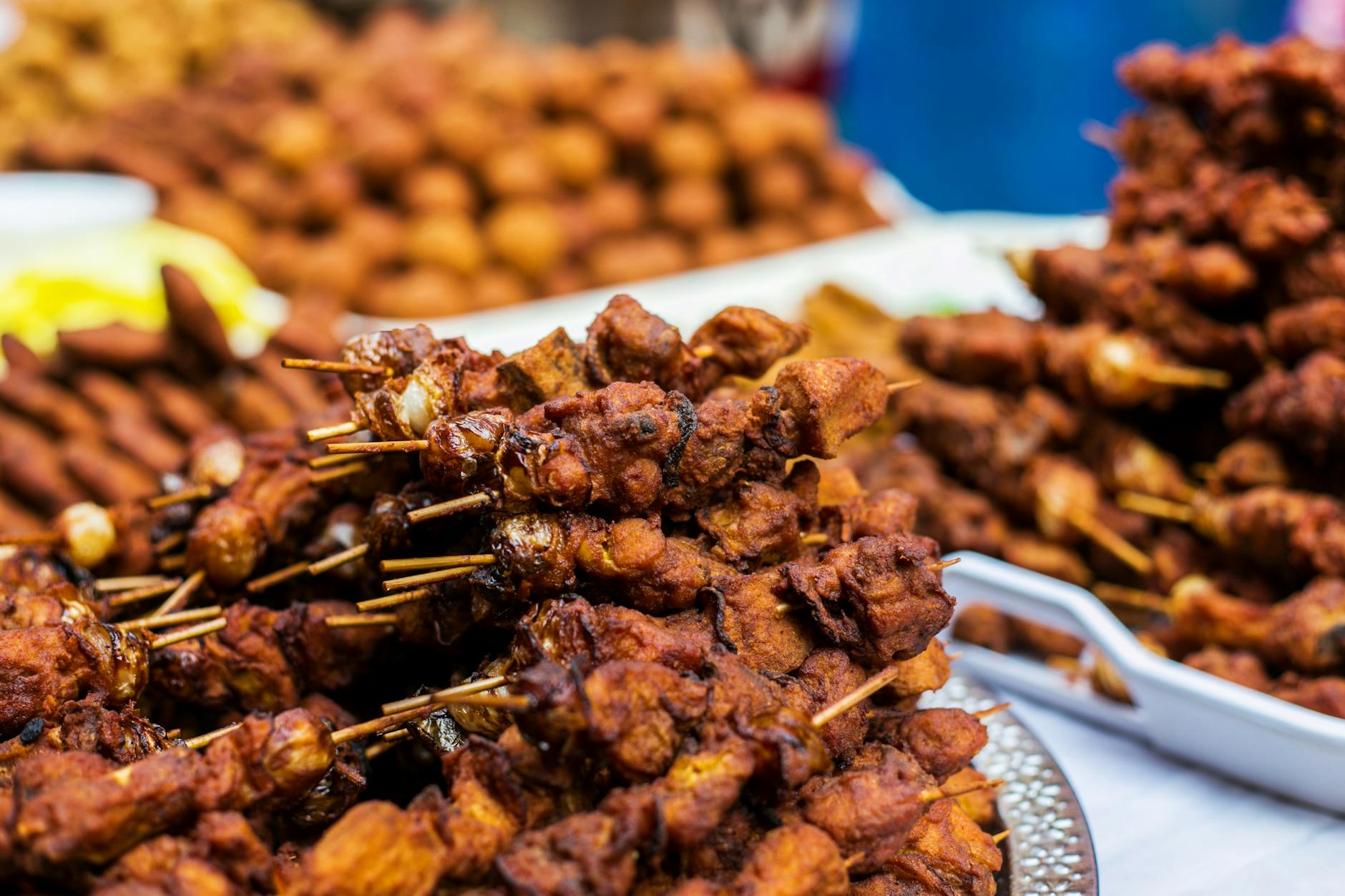
- Grilling
- Broiling
- Sautéing
- Pan-Frying
- Deep-Frying
Key Features:
- Creates crispy or browned textures
- Enhances flavor through the Maillard reaction (browning)
- Ideal for meats, bread, and vegetables
Examples:
- Roasted chicken
- Grilled fish
- Baked bread
Pros:
- Rich, complex flavors
- Attractive golden color
- Retains most minerals
Cons:
- Overcooking can dry out food
- May produce harmful compounds if overheated

2. Moist Heat Cooking Methods
Moist heat methods use water, stock, broth, or steam to transfer heat. These techniques are gentler and perfect for tenderizing tough foods.
Common Methods Include:
- Boiling
- Simmering
- Poaching
- Steaming
- Blanching
Key Features:
- Keeps food moist
- Retains tenderness
- Great for vegetables, fish, and grain.
Examples:
- Boiled pasta
- Steamed broccoli
- Poached eggs
Pros:
- Helps retain water-soluble vitamins (if not overcooked)
- Preserves delicate texture
- Ideal for low-fat cooking
Cons:
- Overboiling may cause nutrient loss
- Flavor may dilute if drained
3. Combination Cooking Methods
Combination methods use both dry and moist heat — usually searing food first, then simmering it in liquid.
Common Methods Include:
- Braising
- Stewing
- Sous-Vide
Key Features:
- Develops deep, rich flavors
- Perfect for tough cuts of meat or fibrous vegetables
Examples:
- Braised lamb shanks
- Beef stew
- Sous-vide chicken breast
Pros:
- Moist, tender results
- Nutrients retained in cooking liquid
- Excellent for complex flavor building
Cons:
- Time-consuming
- Requires more preparation
3️Extended List of Cooking Methods (With Examples)
Here’s a full overview of the most commonly used cooking techniques around the world:
|
Cooking Method |
Type |
Description |
Example Dishes |
|
Baking |
Dry Heat |
Cooking food with hot air in an oven |
Bread, cakes, cookies |
|
Roasting |
Dry Heat |
High-heat cooking for caramelized flavor |
Roasted chicken, potatoes |
|
Grilling |
Dry Heat |
Cooking over open flame or electric grill |
Kebabs, grilled fish |
|
Broiling |
Dry Heat |
Cooking under direct overhead heat |
Broiled steak, fish |
|
Sautéing |
Dry Heat |
Quick cooking with little oil |
Stir-fried vegetables |
|
Pan-Frying |
Dry Heat |
Cooking with shallow oil |
Cutlets, pancakes |
|
Deep-Frying |
Dry Heat |
Submerging food completely in oil |
French fries, samosas |
|
Boiling |
Moist Heat |
Cooking food in hot water |
Pasta, eggs, rice |
|
Simmering |
Moist Heat |
Gentle bubbling below boiling |
Soups, curries |
|
Poaching |
Moist Heat |
Gentle cooking in liquid at low heat |
Poached eggs, fish |
|
Steaming |
Moist Heat |
Cooking food using vaporized water |
Dumplings, vegetables |
|
Blanching |
Moist Heat |
Boiling briefly then cooling quickly |
Green beans, spinach |
|
Braising |
Combination |
Searing food and then slow cooking in liquid |
Braised beef, cabbage |
|
Stewing |
Combination |
Cooking small pieces fully submerged in liquid |
Vegetable stew, lentils |
|
Sous-Vide |
Combination |
Vacuum-sealed cooking in precise water bath |
Chicken breast, steak |
4️How Many Types of Cooking Methods Are There?
If we classify by heat type, there are three main categories — but if we count individual methods, there are about 14–15 widely recognized cooking methods.
Here’s a quick summary:
- Baking
- Roasting
- Grilling
- Broiling
- Sautéing
- Pan-Frying
- Deep-Frying
- Boiling
- Simmering
- Poaching
- Steaming
- Blanching
- Braising
- Stewing
- Sous-Vide
Some cuisines even include additional specialized methods like smoking, toasting, or microwaving, bringing the total to over 18 types depending on classification.
5️Choosing the Right Cooking Method
Choosing a method depends on your ingredient, desired flavor, and health goals.
|
Food Type |
Best Methods |
Why It Works |
|
Vegetables |
Steaming, roasting |
Preserves nutrients and color |
|
Meat |
Grilling, roasting, braising |
Adds flavor and tenderness |
|
Fish |
Steaming, poaching, grilling |
Gentle on delicate texture |
|
Legumes |
Boiling, stewing |
Softens and enhances flavor |
|
Grains |
Boiling, steaming |
Ensures fluffiness |
|
Bread & Pastries |
Baking |
Even texture and browning |
Tip: Combine methods for complex dishes — for example, sear chicken (dry) then stew it (moist) for juicy results.
6️Impact of Cooking Methods on Nutrition
The way you cook affects the nutrients your body receives:
- Steaming retains most vitamins and minerals.
- Boiling can cause nutrient loss if water is discarded.
- Frying increases calorie content due to oil absorption.
- Roasting and grilling maintain minerals but can reduce heat-sensitive nutrients.
- Braising and stewing keep nutrients within the cooking liquid.
Pro Tip: Whenever possible, consume broths or sauces made from the cooking liquid — they’re packed with flavor and nutrition.
7️Global Variations in Cooking Methods
Cooking techniques differ slightly across cultures:
- Indian cuisine: Combines frying (tadka), simmering (curries), and roasting (tandoor).
- Chinese cuisine: Focuses on stir-frying, steaming, and deep-frying.
- Western cuisine: Often relies on baking, roasting, and grilling.
- Japanese cuisine: Prefers steaming, simmering, and grilling for subtle flavors.
Despite differences, all cuisines share the same foundation — mastering heat to create balanced, flavorful dishes.
8️Healthy Cooking Tips (No Matter the Method)
- Avoid overcooking vegetables — it destroys vitamins.
- Use minimal oil for frying; try olive or avocado oil.
- Preheat ovens and grills for even cooking.
- Steam with herbs for added flavor.
- Marinate meats before grilling to reduce harmful compounds.
- Store leftovers properly to retain nutrition.
9️Common Mistakes to Avoid
- Boiling food too long → bland taste, nutrient loss.
- Frying with reused oil → unhealthy trans fats.
- Skipping preheating → uneven texture.
- Not drying food before frying → soggy results.
- Overcrowding pans → food steams instead of browns.
🔟 FAQs
Q1. How
many cooking methods exist in total?
Generally, 15–18 methods are recognized globally, categorized under dry, moist,
and combination techniques.
Q2. Which
cooking method is best for health?
Steaming, baking, and grilling are the healthiest methods for retaining
nutrients while minimizing fat.
Q3. Are
modern methods like air frying part of this list?
Yes — air frying is a modern dry heat method using rapid hot air circulation.
Q4.
What’s the difference between baking and roasting?
Baking typically refers to bread and pastries, while roasting is for meats and vegetables
at higher temperatures.
Q5. Can I
mix cooking methods?
Absolutely! Many dishes, like curries or casseroles, start with dry heat
(sautéing) and finish with moist heat (simmering).
Conclusion
Cooking is both an art and a science — and knowing the different types of cooking methods gives you control over flavor, nutrition, and presentation.
From the
crisp crust of baked bread to the gentle softness of poached fish, each method
brings out a unique character in food.
So the next time you cook, think beyond recipes — choose the right method
for the perfect taste and nutrition balance.
Experiment, combine, and most importantly, enjoy the process.