Introduction
Cooking isn’t just about taste — it’s also about nutrition.
Every time you cook, the method you choose affects how many nutrients your food
retains or loses.
Some methods like steaming and grilling preserve vitamins and minerals, while others, like deep frying or over-boiling, can destroy or leach them away.
Understanding how cooking methods influence nutrition helps you make healthier food choices, reduce unnecessary calories, and retain the full goodness of your ingredients.
Let’s explore how different cooking techniques interact with nutrients and how to apply them smartly in everyday cooking.
1️Why Cooking Methods Affect Nutrition
When heat is applied to food, it causes chemical and physical changes. These changes influence:
· Vitamin content (especially Vitamin C and B complex)
· Mineral retention
· Fat absorption
· Protein quality
· Antioxidant activity
Nutrient Loss Factors:
1. Temperature – Higher heat destroys sensitive vitamins.
2. Time – Longer cooking equals greater nutrient breakdown.
3. Water contact – Nutrients dissolve into water when boiling.
4. Oxygen exposure – Leads to oxidation (especially Vitamin C).
5. Oil absorption – Increases calories and fat content.
2️Key Nutrients Affected by Cooking
|
Nutrient |
Sensitive To |
Best Preserved By |
Lost Through |
|
Vitamin C |
Heat, oxygen, water |
Steaming, microwaving |
Boiling, frying |
|
Vitamin B (B1, B2, B6) |
Heat, water |
Steaming, roasting |
Boiling |
|
Vitamin A, D, E, K |
Fat-soluble, stable |
Sautéing, baking |
Deep frying |
|
Iron, Calcium, Zinc |
Relatively stable |
All methods |
Minimal loss |
|
Protein |
Denaturation by heat |
Grilling, steaming |
Overcooking, frying |
|
Fiber |
Slightly reduced by heat |
Steaming, roasting |
Over-boiling |
|
Antioxidants |
Light/heat |
Steaming, stir-frying |
Overheating |
3️Cooking Methods and Their Nutritional Impact
Let’s go method by method to understand how each affects nutrition.

A. Boiling
Boiling involves cooking food in water at high temperatures (100°C).
Nutritional Effect:
· Water-soluble vitamins (C, B) leach into the water.
· Minerals like potassium may also be lost.
· Over-boiling softens texture and dulls color.
Tips to Reduce Loss:
· Use minimal water.
· Save the cooking water (broth) for soups or gravies.
· Avoid overcooking vegetables.
Best For: Eggs, pasta, potatoes, lentils.
.
B. Steaming
Steaming cooks food with vapor, not direct water contact.
Nutritional Effect:
· Retains most vitamins and minerals.
· Preserves enzymes, fiber, and natural color.
· No added fat.
Health Benefit: One of the best methods for nutrient preservation.
Best For: Vegetables, fish, dim sum, idlis.
C. Grilling
Cooking over direct flame or heat source.
Nutritional Effect:
· Preserves minerals and proteins.
· Fat drips away, reducing calories.
· High heat may form harmful compounds (HCAs, PAHs) if food burns.
Tips:
· Marinate meats with herbs and lemon to reduce toxin formation.
· Avoid charring.
Best For: Meats, paneer, vegetables.
D. Baking and Roasting
Cooking in an oven using dry heat.
Nutritional Effect:
· Retains nutrients better than boiling.
· Caramelization adds flavor without excess fat.
· Vitamin B may slightly decrease due to heat exposure.
Tips:
· Use olive or avocado oil sparingly.
· Avoid excessive browning.
Best For: Bread, cakes, vegetables, meat.
E. Stir-Frying / Sautéing
Quick cooking over high heat with minimal oil.
Nutritional Effect:
· Retains nutrients due to short cooking time.
· Preserves color and texture.
· Adds some calories from oil, but moderate if used wisely.
Tips:
· Use non-stick pans or spray oils.
· Add vegetables in order of cooking time.
Best For: Mixed veggies, noodles, tofu.
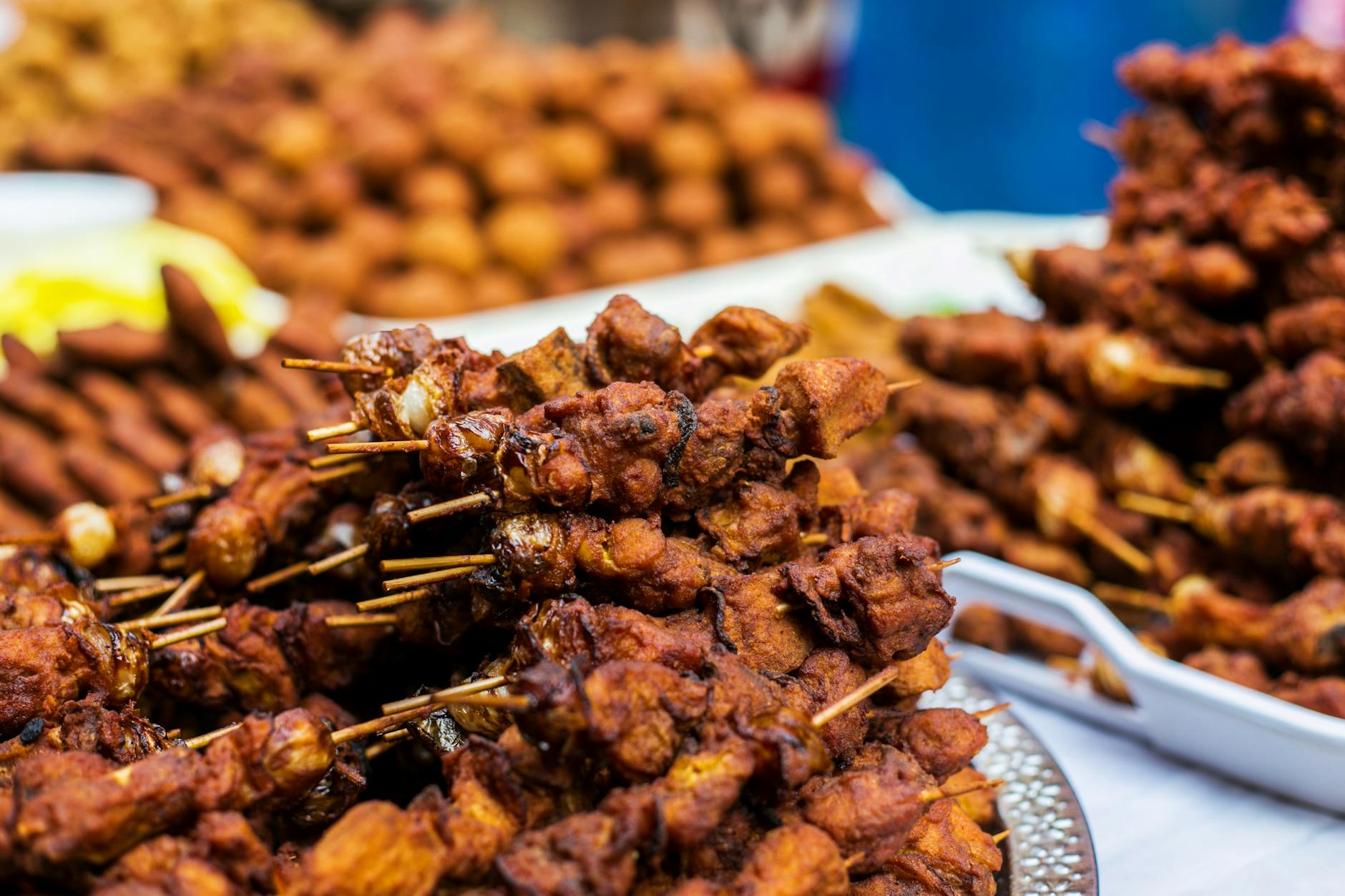
F. Deep-Frying
Food is fully immersed in hot oil.
Nutritional Effect:
· Absorbs fat and calories.
· High heat destroys antioxidants and sensitive vitamins.
· Reused oil forms harmful compounds (trans fats).
Tips:
· Use oils with high smoke points (e.g., peanut or sunflower).
· Drain on paper towels.
· Limit frequency — treat as occasional indulgence.
Best For: Snacks like samosas, fritters.
G. Microwaving
Cooking with electromagnetic waves.
Nutritional Effect:
· Short cooking time preserves nutrients.
· Minimal water needed — less leaching.
· Safe when used correctly (no metal containers).
Best For: Reheating, vegetables, oatmeal.
H. Pressure Cooking
Uses steam under pressure for quick cooking.
Nutritional Effect:
· Retains most minerals and proteins.
· Short time limits vitamin loss.
· Excellent for legumes and grains.
Tips:
· Avoid over-pressurizing; follow timing carefully.
· Open lid after cooling to avoid overcooking.
Best For: Dal, rice, soups, curries.
I. Braising and Stewing
Combination of dry and moist heat cooking.
Nutritional Effect:
· Nutrients stay in the liquid (consume the gravy).
· Tenderizes tough meats and fibrous veggies.
· Some vitamin loss from long cooking times.
Best For: Curries, stews, lentil dishes.
4️Healthiest Cooking Methods (Ranked)
|
Rank |
Method |
Why It’s Healthy |
|
🥇 1 |
Steaming |
Best for nutrient retention, no oil needed |
|
🥈 2 |
Grilling |
Low fat, preserves minerals, quick |
|
🥉 3 |
Stir-Frying |
Fast, flavorful, minimal oil |
|
4 |
Baking |
Even cooking, moderate fat |
|
5 |
Pressure Cooking |
Retains protein and minerals |
|
6 |
Boiling |
Easy but causes some nutrient loss |
|
7 |
Deep-Frying |
Tasty but high in fat; occasional use only |
5️Tips to Maximize Nutrient Retention
1. Use less water – especially for vegetables.
2. Shorten cooking time – cook until just tender.
3. Cut after cooking – prevents oxidation.
4. Cover pots while cooking – retains steam and nutrients.
5. Don’t discard broth – reuse in soups or sauces.
6. Avoid reusing oils – prevents trans-fat formation.
7. Combine methods wisely – steam first, then grill for flavor.
6️Cooking Oils and Nutrition
Choosing the right oil matters as much as the method.
|
Oil |
Smoke Point (°C) |
Best For |
Health Note |
|
Olive Oil |
190–210 |
Sautéing, baking |
Heart-healthy monounsaturated fat |
|
Sunflower Oil |
230 |
Frying |
Rich in Vitamin E |
|
Coconut Oil |
175 |
Light frying |
Good for medium heat |
|
Avocado Oil |
250 |
Grilling, roasting |
High smoke point |
|
Mustard Oil |
220 |
Indian cooking |
Antibacterial, anti-inflammatory |
7️Cultural Perspectives: Nutrition in Global Cooking
Different cultures naturally developed methods that promote both flavor and health:
· Indian Cuisine: Pressure cooking, sautéing with spices (aids digestion).
· Japanese Cuisine: Steaming and grilling for freshness.
· Mediterranean Cuisine: Baking and olive oil-based sautéing.
· Chinese Cuisine: Stir-frying for crisp texture and vitamin retention.
Every tradition balances flavor, energy, and nutrition uniquely — proving healthy eating doesn’t mean sacrificing taste.
8️The Science of Heat and Nutrients
|
Type of Heat |
Effect |
Example |
|
Conduction |
Direct heat transfer (pan-frying) |
Omelet |
|
Convection |
Circulating heat (oven baking) |
Cake |
|
Radiation |
Direct energy (grilling, microwaving) |
Paneer tikka |
Each method influences nutrient stability differently — for example, conduction causes faster protein denaturation, while convection ensures even cooking.
9️FAQs
Q1. Which cooking method keeps food healthiest?
Steaming — it preserves almost all vitamins, minerals, and antioxidants.
Q2. Does frying destroy protein?
No, but it adds fat and calories, which can reduce the dish’s overall
nutritional value.
Q3. How can I make fried food healthier?
Use minimal oil, drain excess, and use high smoke point oils.
Q4. Why does boiling reduce nutrients?
Because water-soluble vitamins dissolve into the water and are lost if not
consumed.
Q5. Is raw food always more nutritious?
Not always — some nutrients (like lycopene in tomatoes) increase when cooked.
Conclusion
Cooking is both an art and a science — and nutrition sits at its heart.
The way you cook can either enhance or diminish your food’s
health value.
To eat smarter:
· Favor steaming, grilling, and stir-frying.
· Avoid deep-frying and over-boiling.
· Reuse broths and pair methods to balance flavor and nutrients.
By choosing the right cooking methods, you don’t
just cook — you nourish your body.
Healthy cooking is the foundation of a vibrant, energetic life.