Delhi Capitals' selection strategy in IPL 2026 has become the subject of intense scrutiny after a humiliating eight-wicket defeat to Chennai Super Kings left former India seamer Dodda Ganesh questioning whether the franchise can be taken seriously as a cricket team. The ex-India cricketer's blistering critique centers on the franchise's persistent backing of Pathum Nissanka and other questionable tactical decisions that, in his view, demonstrate a lack of strategic clarity at a critical juncture in the tournament.
Why Delhi Capitals' Selection Crisis Matters to Indian Cricket Fans
The Delhi Capitals occupy a unique position in Indian cricket consciousness. Based in the nation's capital and fielding talented rosters over multiple seasons, DC represents hopes of delivering a trophy to fans in Delhi and across North India. When a franchise stumbles with poor selection calls, it affects not just the team's playoff chances but also sends ripples through the broader IPL ecosystem. Dodda Ganesh's comments reflect a frustration shared by many cricket analysts who track the squad composition and tactical nuances that separate championship-contending teams from also-rans in the tournament.
IPL 2026 has been particularly unforgiving for DC. In a league where margins are razor-thin and momentum shifts can alter playoff destinies, the franchise's management decisions have increasingly become a flashpoint for debate among ex-players and commentators. Ganesh's public rebuke matters because it articulates what many insiders believe privately: that DC's leadership is not making the hard, decisive calls necessary to compete at the highest level during the business end of the tournament.
What Happened: Dodda Ganesh's Blunt Assessment of DC vs CSK Match 48
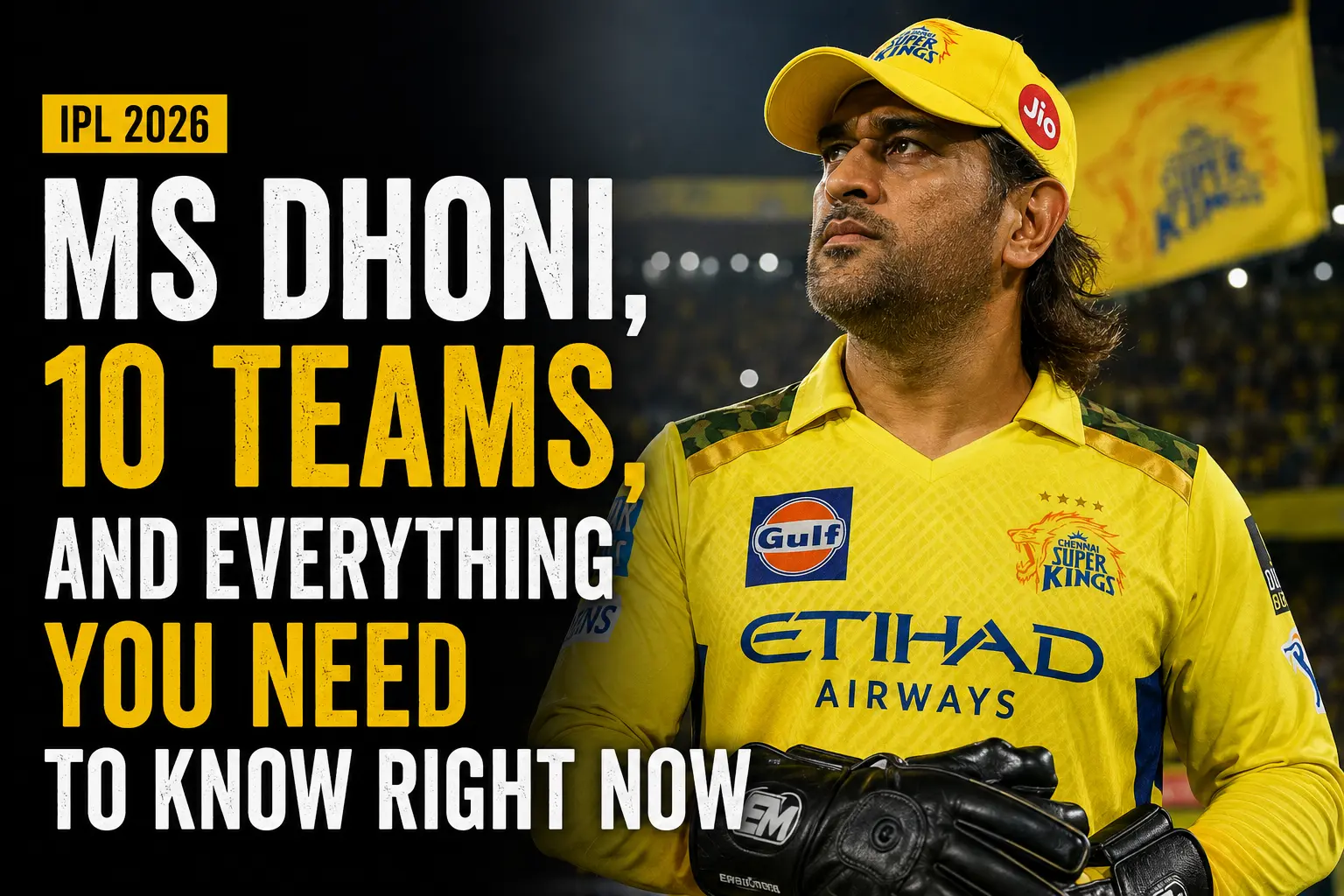
During the IPL 2026 playoff race, Delhi Capitals faced Chennai Super Kings in a crucial encounter. The match ended in a lopsided affair, with CSK dismantling DC by eight wickets—a chastening result that exposed structural weaknesses in the Delhi team's composition. Ganesh, who represented India as a pace bowler and brings credibility from his international experience, did not mince words in his post-match analysis. His central complaint revolved around the continued selection of Pathum Nissanka and the broader mismanagement of the batting lineup.
What made Ganesh's critique particularly stinging was his public questioning of whether DC's management—led by coaching staff and selectors—had the clarity of vision required to build a cohesive XI for different match situations. The loss to CSK was not merely a sporting setback; it represented, in Ganesh's view, a failure of cricketing intelligence and forward planning. His comments gained traction because they touched on an issue that had been simmering in cricket circles for weeks: whether DC's hierarchy was making reactive rather than proactive decisions.
The specific grievances Ganesh raised include:
- Persisting with Pathum Nissanka: The Sri Lankan batter's continued selection despite inconsistent form and poor conversion rates in middle-order situations raised questions about whether management was emotionally attached to the player rather than basing decisions on current performance metrics.
- Lack of bold tactical reshuffles: While other franchises demonstrated willingness to experiment and make hard calls, DC appeared reluctant to shuffle their batting order or introduce fresh faces to counter opposition strategies.
- Absence of a clear game plan against quality attacks: CSK's bowling unit exploited weaknesses in DC's batting lineup, suggesting the opposition had studied the Delhi team more thoroughly than vice versa.
- Middle-order fragility: The collapse of the middle order in the match underscored a structural vulnerability that Ganesh implied should have been addressed through selection changes earlier in the tournament.
- Indecisive captaincy and management interface: Ganesh's broader critique hinted at a disconnect between what the captain may have wanted and what the selection committee was willing to sanction.
- Failure to back emerging talent: Unlike successful franchises, DC was not giving opportunities to fringe players who could inject fresh energy and unpredictability into the XI.
Impact on IPL 2026 Playoff Race and DC's Tournament Trajectory
The CSK loss carried weight beyond the match scorecard. With the playoffs looming, teams typically operate under immense pressure, and each result carries magnified significance. For DC, already fighting to secure a top-four finish, the eight-wicket drubbing represented a dangerous loss of momentum. Ganesh's public comments amplified the narrative around the franchise, shifting focus from CSK's clinical performance to DC's self-inflicted wounds through poor selection. In IPL dynamics, such negative narratives can affect team morale, put pressure on the management, and create an atmosphere of doubt that permeates the dressing room.
The broader implication extends to how Indian cricket views franchise governance and meritocratic selection principles. If a team like DC—with access to world-class scouts, analytics infrastructure, and coaching talent—makes selection decisions that a respected former international cricketer finds indefensible, it raises uncomfortable questions about accountability and competence at the franchise level. For Indian cricket enthusiasts who follow the IPL closely, Ganesh's intervention represented a moment of reckoning: a reminder that selection committees must earn legitimacy through transparent, performance-driven decision-making, not blind loyalty to marquee names or established hierarchies.
What Lies Ahead: Can DC Recover and Salvage Their Tournament?
The path forward for Delhi Capitals hinges on their response to criticism and their remaining league matches. Will the management take Ganesh's comments as constructive feedback and make bold selection changes, or will they double down on their current approach? Cricket's history is replete with teams that benefited from honest self-assessment and willingness to evolve mid-tournament. If DC's hierarchy listens to voices like Ganesh's and acts decisively—perhaps by backing younger talent, shifting the batting order, or introducing fresh pace bowling options—they could still mount a playoff challenge. However, inaction or defensive responses would further erode confidence within and outside the franchise.
For readers invested in Indian cricket and the IPL ecosystem, the DC story serves as a masterclass in why management structures matter as much as individual player talent. A franchise cannot simply assemble a roster of accomplished cricketers and hope they gel organically. Strategic clarity, decisive leadership, and the courage to make unpopular calls in real time—these are what separate champions from also-rans. As DC's remaining matches unfold, all eyes will be on whether the management demonstrates the accountability and adaptability that Dodda Ganesh's critique implies they currently lack.
Frequently Asked Questions
Who is Dodda Ganesh and why does his criticism of DC matter?
Dodda Ganesh is a former India international seamer with first-hand experience of competitive cricket at the highest level. His criticism carries weight because it comes from someone who understands the nuances of team selection, match preparation, and the mindset required to compete consistently. His public comments reflect a growing consensus among cricket experts about DC's management deficiencies.
What specifically did Dodda Ganesh criticize about DC's selection against CSK?
Ganesh primarily criticized DC's continued backing of Pathum Nissanka despite poor form, the lack of tactical boldness in reshuffling the batting lineup, and the absence of a clear game plan against quality opposition. He questioned whether the franchise's management displayed the strategic clarity necessary for a team aspiring to win tournaments.
How does this loss impact DC's chances of reaching the IPL 2026 playoffs?
The eight-wicket defeat to CSK damaged DC's net run rate and cost them precious points in the playoff race. With matches dwindling, such losses can prove decisive in determining final standings. The negative narrative around selection decisions also affects team morale and public confidence, making the road to playoffs steeper.
Can DC still recover from this setback and make a playoff push?
Yes, if DC's management responds decisively to criticism by making bold selection changes, backing emerging talent, and developing a clear strategic framework for remaining matches. Teams have recovered from worse positions, but it requires honest assessment, quick course correction, and renewed focus on meritocracy in team selection.
What does this controversy reveal about IPL franchise governance?
The DC situation exposes potential gaps in how some franchises approach selection—relying on loyalty rather than performance metrics, hesitating to make unpopular calls, and lacking transparency in decision-making processes. It underscores why robust, performance-driven governance structures are essential for sustained success in T20 cricket.