Trump Visits Beijing With Smiles — But Big Problems Stay
Donald Trump landed in Beijing and the welcome was huge—we're talking red carpets, military bands, grand halls, the kind of fanfare that makes every camera click at once. Huge. Chinese President Xi Jinping shook hands warmly, smiled for the photos, and said all the right things. And? But here's what nobody on stage was saying out loud: the two biggest countries in the world still don't agree on almost everything that actually matters. No joke. Trade wars, Taiwan, the South China Sea, military spending—none of that went away just because two powerful men smiled at each other. And for India, sitting right in the middle of all this, the stakes are very real and very personal.
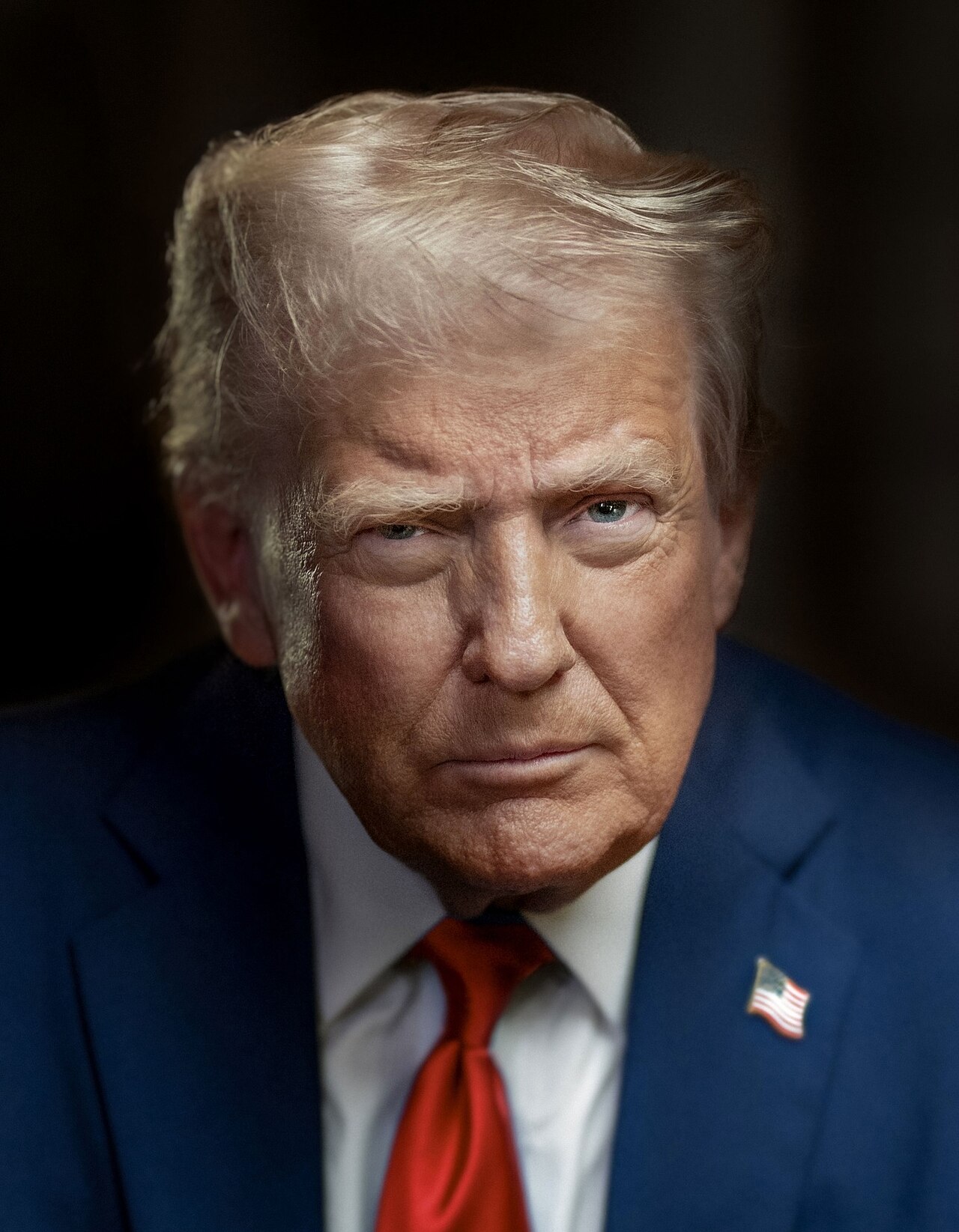
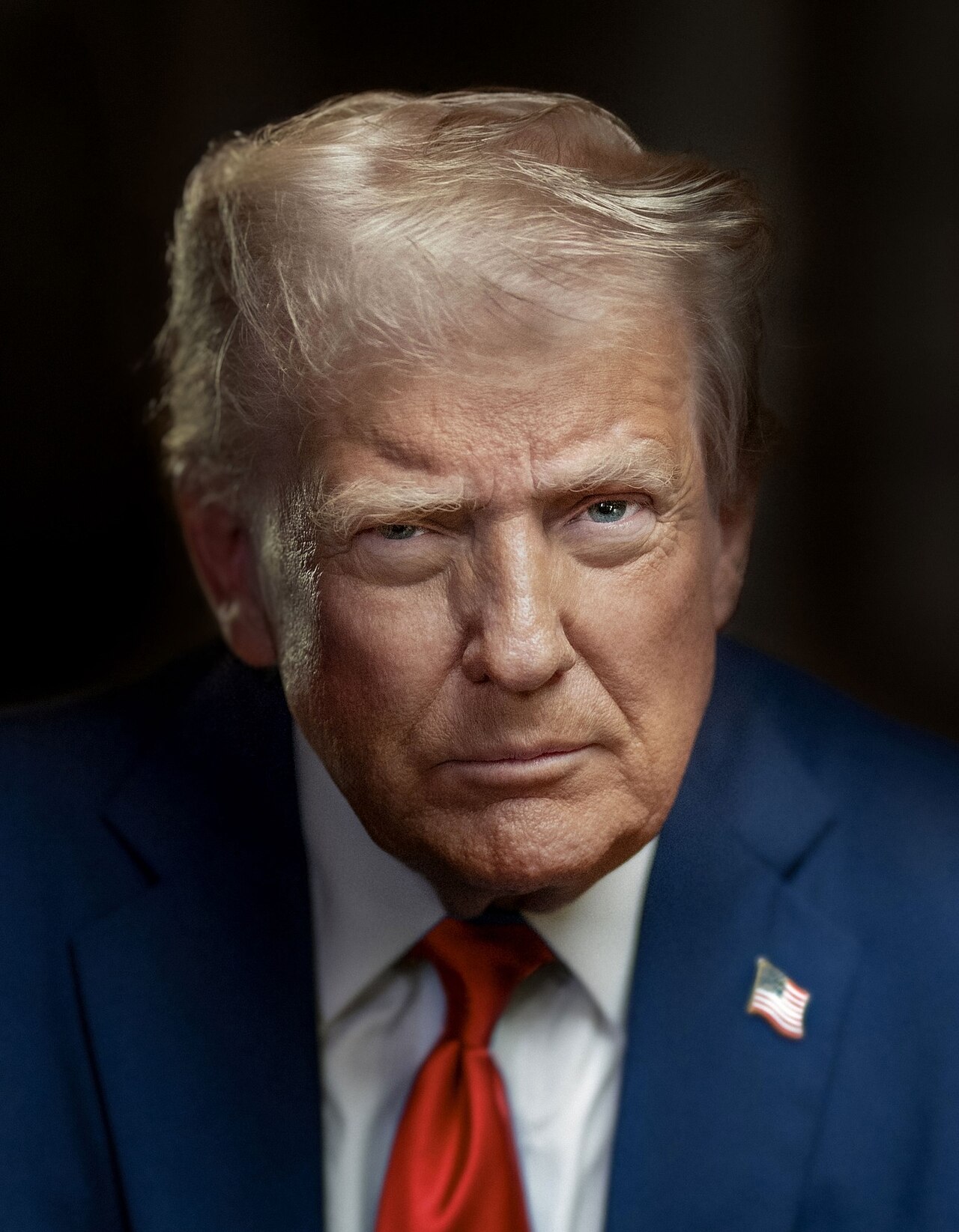
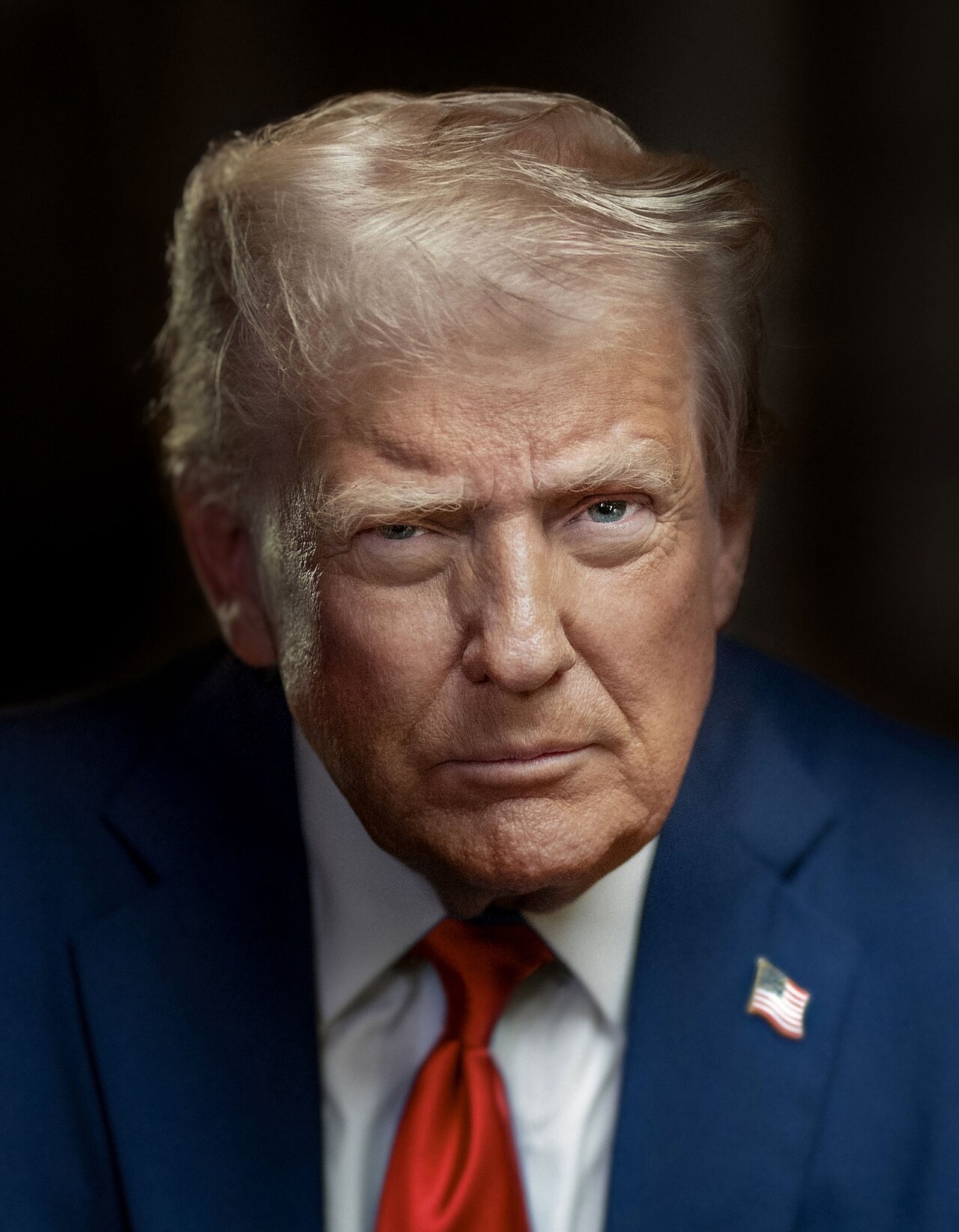
- In 2025, US President Donald Trump sat down with Chinese President Xi Jinping for a high-stakes meeting in Beijing.
- While the photos looked friendly, major conflicts over trade, Taiwan, and military power weren't solved.
- Look, the US and China control roughly 40% of the global economy, so their relationship impacts everyone.
- Trump's recent social media post calling India and China “hellholes” sparked major anger from Indian officials.
- Noted US scholar John Mearsheimer calls Trump's India policy a “colossal blunder” that's only pushing Delhi closer to Beijing.
- For Indian businesses, students, and families, the next six months of US-China relations are critical to watch.
And here's why that matters.
Think.
Two Giants, One Very Uncomfortable Room
Look, the United States and China have been going back and forth—sometimes friendly, sometimes very hostile—for well over two decades now, but the last few years have been especially rough. Facts. Trade tariffs, technology bans, arguments over who owns what in the Pacific Ocean—the list just keeps getting longer. The result? So when Trump flew to Beijing, the whole world was watching. Is this really a surprise?
Think about what's at stake here—the US economy is roughly worth about $27,000 lakh crore, and China's isn't far behind. Big. Together, they buy and sell more goods than the rest of the world combined. Let that sit. When these two countries fight over trade rules, prices go up everywhere—including at your local kirana store, because so many things Indians buy are made from parts that travel through US-China supply chains.
And India—surprisingly—sits right in the middle of this mess, sharing a long and sensitive border with China while also having growing trade ties with America. True. Whatever happens between Washington and Beijing lands right in our lap, whether we want it to or not. And now? So what exactly happened during Trump's visit—and why should every Indian pay attention?
But not for the reasons you'd expect.
What Actually Happened in Beijing
So Trump arrived in Beijing to a grand welcome, and the Chinese government rolled out full state honours—which is the fanciest welcome a foreign leader can get. Yep. Xi Jinping personally received Trump, and the two held long talks behind closed doors. Key point. On camera, everything looked warm and friendly, but off camera, officials from both sides were apparently still arguing about the same old things.
- Trade tariffs still in place: So the US has kept heavy taxes on Chinese goods—sometimes as high as 145% on certain products—and China hasn't backed down either, keeping its own taxes on American goods. Neither side announced any changes.
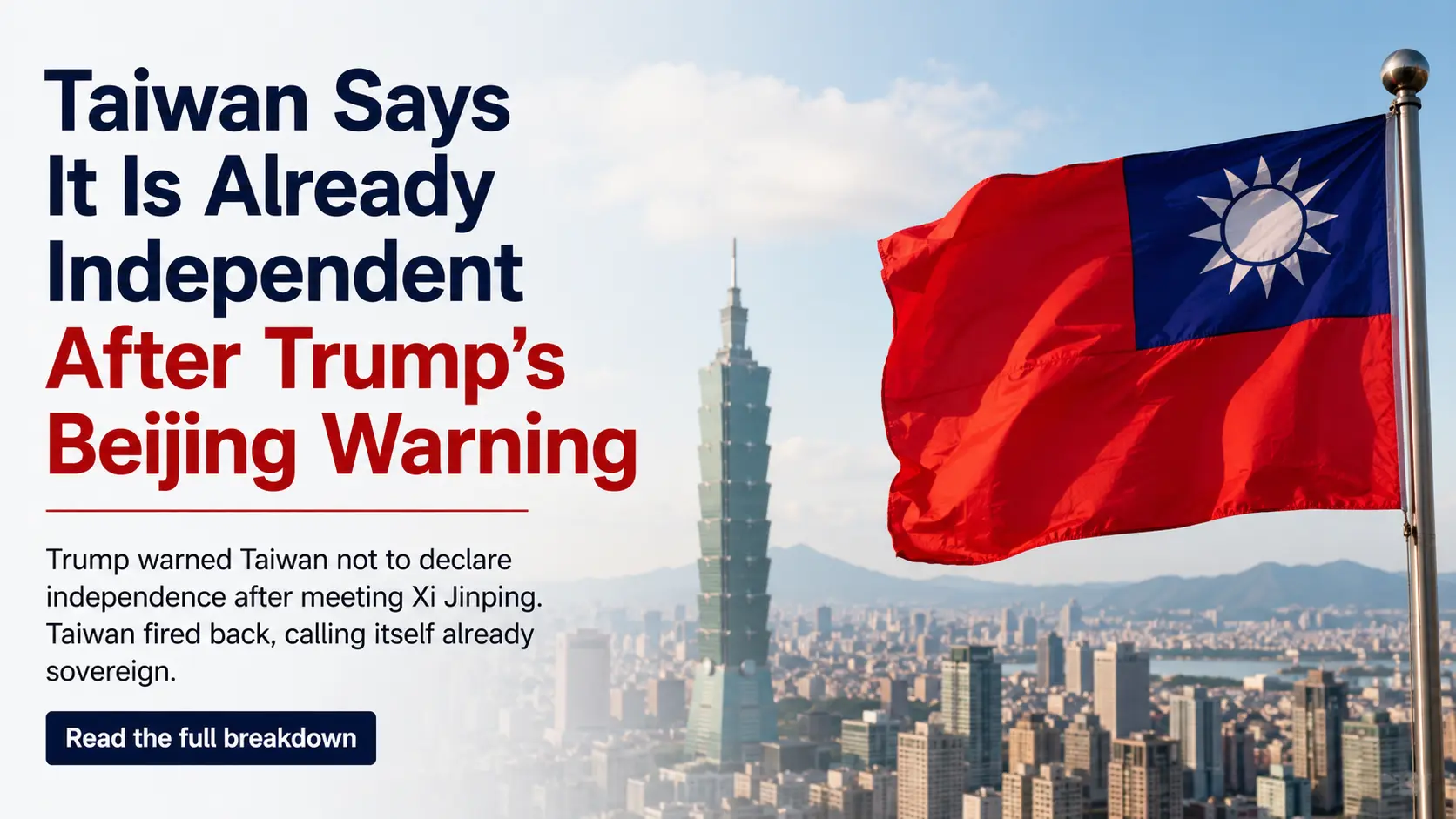
- Taiwan — no agreement: And the US has long said it'll help Taiwan defend itself, but China claims Taiwan is its own territory. Trump didn't say anything new or calming on this issue during his trip.
- Technology ban continues: Here's the thing—this ban on China buying advanced computer chips (especially for AI) remains fully in force. It wasn't started by Trump, but he's keeping it.
- South China Sea dispute: China still claims huge parts of the South China Sea, and other countries don't agree. The US regularly sends its warships through there. No change here.
- Climate commitments unclear: Trump already pulled the US back from several climate agreements. And China? It's the world's biggest carbon emitter. No joint statement on climate action came out of this meeting.
- Military hotline talks: The one small positive note—both sides agreed to keep their military communication channels open to avoid accidental escalation. It's a small step. But it's a step.
So Trump, speaking to reporters after the meeting, said the talks were “very productive” and that he and Xi have a “very good relationship”—while Xi, through the official Chinese state media agency Xinhua, said both countries should “find the right way to get along.” Right? Both statements sound nice. Big deal. Neither one actually solves anything.
What happened immediately after the visit? Well, markets in Asia went up slightly because investors like it when the two superpowers talk instead of fight. Not small. But most analysts were quick to point out that a friendly visit doesn't mean the big fights are over. Wild. History agrees—Trump and Xi had friendly meetings in his first term too, and tensions kept rising anyway.
The kind of thing most people miss.
Period.
The Part That Directly Involves India
Now here's where it gets interesting—and uncomfortable for India.
Just weeks before this Beijing visit, Trump shared a post on his Truth Social platform that called India and China “hellholes”—a word from a video clip by conservative American commentator Michael Knowles that Trump amplified to millions. That's real. And India's government—which rarely criticises the US publicly—actually pushed back on this one. That stings. Indian lawmakers across party lines called it deeply disrespectful, and Indian-American advocacy groups filed formal objections.
Think about what that means—India and America are supposed to be growing closer, with the two countries building what leaders call a “strategic partnership” for years. Not anymore. But calling the world's most populated democracy a “hellhole” isn't exactly the language of a close friend. Think about it. And when Trump then flew to Beijing and smiled with Xi, you can bet many in Delhi quietly noticed. And where does that leave the rest of us?
Here's what we know: Professor John Mearsheimer—one of America's most respected foreign policy experts, known for his work at the University of Chicago—said in a recent interview with India Today that Trump's approach to India is a “colossal blunder.” And more. His argument is simple: by insulting India and not taking the partnership seriously, Trump is actually pushing India toward China. Unreal. And that, Mearsheimer says, is the last thing America should want.
Is that actually happening? Well, India has been carefully managing its relationships with both the US and China—what diplomats call a “multi-alignment” policy. Nobody talks about this. India trades with both. India talks to both. That's the truth. But every time Washington does something that feels dismissive toward Delhi, China quietly benefits. That's the game being played right now, whether anyone admits it openly or not.
Worth paying attention to.
What Ordinary Indians Will Feel First
So what does this all mean if you're not a diplomat or foreign policy expert? Quite a lot, actually.
If you're a student planning to study in the US, the mood between Washington and Beijing affects everything—visa policies, university funding, and even which subjects get extra scrutiny at American borders. Big shift. Indian students—over 3.3 lakh of them currently study in the US—are often caught in the crossfire of these political moods. And that's big. When US-China tensions rise, American universities become more cautious about international students from Asia in general.
If you work in IT or technology in cities like Bengaluru, Hyderabad, or Pune, you need to pay close attention—the US ban on selling advanced chips to China has actually opened some doors for Indian tech companies. Worth it. Why? Because American businesses are now looking for alternatives to Chinese suppliers. Read that again. But if Trump and Xi reach some big deal that allows more trade between them, those opportunities could shrink again quickly.
And if your family sends money abroad or receives remittances, exchange rates are directly affected by how US-China relations move. Facts. A big fight between the two raises the dollar's value, which means your rupee buys less. Let that sit. A calmer relationship can sometimes ease that pressure.
Finally, if you're a small business owner who imports goods (electronics, machinery parts, or raw materials), the tariff war between the US and China scrambles global supply chains. Big deal. Many of those goods that used to come from China now take longer routes through Southeast Asia. And now? That raises costs and delivery times for Indian importers too.
And that's just the beginning.
What to Watch For in the Coming Months
The Beijing visit is just one chapter. Several big things are still unfolding, and they'll directly shape what happens next.
First, watch the trade negotiation calendar—US and Chinese trade officials are expected to meet again in the coming weeks, and this is a big deal. Key point. If they make any real progress on lowering tariffs, global markets will react. And India? India will need to decide quickly whether to position itself as an alternative manufacturing hub or adjust its own trade policy.
Second, keep an eye on what India officially says about the Trump-Xi meeting, because India's Ministry of External Affairs has been carefully quiet so far. Facts. If Delhi starts responding more sharply—especially to the “hellhole” controversy—that would signal a real shift. Big shift. It would show how India is choosing to handle the US relationship.
Third, Professor Mearsheimer's warning deserves to be taken seriously—if the US continues to treat India carelessly while being friendly to China, you should expect India to quietly deepen its ties elsewhere. And more. We're talking Russia, the Gulf countries, and even China on economic matters. And? It's not because India wants to, but because that's how countries protect themselves when a bigger friend stops paying attention. But who really benefits here?
Best case? Trump and Xi reach a limited trade deal, tensions cool slightly, and India benefits from a more stable global environment. Unreal. Most likely: the smiles fade, the old arguments come back, and both sides settle into the same difficult relationship they had before. That's the truth. Worst case: a new flashpoint—over Taiwan, the South China Sea, or some tech dispute—escalates quickly. And the whole world, including India, gets pulled into a much more dangerous situation.
Keep watching Delhi's response. That'll tell you more than anything that comes out of Beijing.
The numbers don't lie.
Wow.
Big shift.
Really.
Frequently Asked Questions About Trump's Visit to China
Why did Trump visit China in 2025?
Honestly—Trump went to Beijing for direct talks with Xi Jinping because US-China relations are so strained. They wanted to stop things from getting worse on trade and military fronts, but the visit was more about photos than progress. The big problems aren't solved.
How does the US-China relationship affect India?
Here's the short version: it's a huge deal. India trades heavily with both nations and, don't forget, shares a border with China. So when the US and China fight over trade or tech, our supply chains get scrambled, the dollar gets stronger, and import prices here go up. It's not just theory; it hits your wallet. On top of that, our IT companies and exporters feel the pressure too, depending on who's winning the economic battle.
What did Trump say about India before visiting China?
Good question. He shared a social media post calling India and China “hellholes,” quoting a conservative commentator. This wasn't a small thing. Indian lawmakers were furious, and even the government, which is usually quiet, issued a rare public objection right before his friendly Beijing trip.
Should Indian businesses be worried about the Trump-China talks?
The thing is, businesses should be alert, not panicked. A big US-China trade deal could slow down the manufacturing shift from China to India, which would hurt. But if tensions stay high, India's position as an alternative supplier for US companies only gets stronger, which is a major opportunity. It's a double-edged sword. The key thing to watch will be any tariff announcements over the next three months.
What is India's official position on the US-China meeting?
In plain words, India is playing it cool. The Ministry of External Affairs hasn't said much publicly, sticking to its usual multi-alignment policy of being friendly with everyone. But that “hellhole” comment stings, so you can bet they're quietly reassessing just how reliable the US really is.