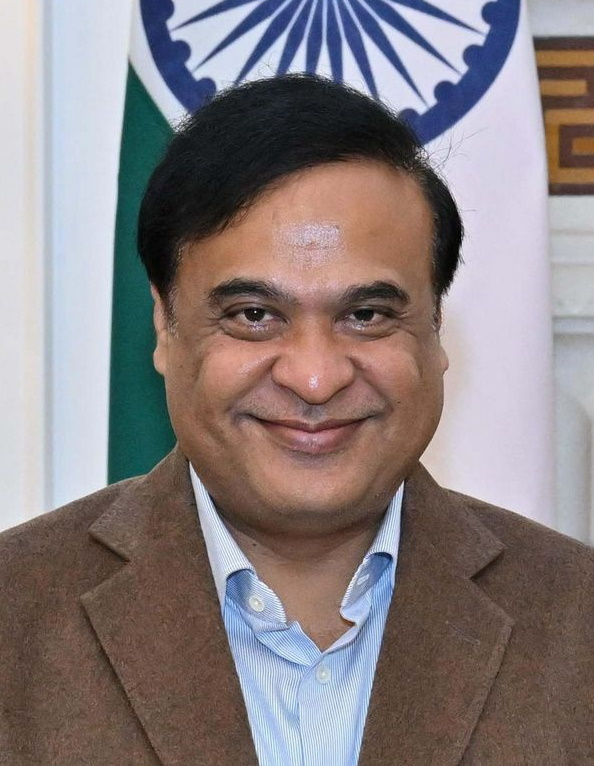
Himanta Biswa Sarma is coming back. On May 12, 2026, he will take the oath as Chief Minister of Assam for the second time in a row. The ceremony happens at the veterinary ground in Khanapara, Guwahati — and it is a big deal for the state's politics right now.
The BJP-led NDA alliance won the recent elections in Assam. On May 10, party leaders met and unanimously chose Sarma as their leader. Union Minister JP Nadda announced the decision after the meeting. Simple as that — Sarma gets another five years to run the state.
But here is what matters to you: what does a second term mean for ordinary Assam residents? Jobs? Development? Schools and hospitals? Let us break down everything you need to know about what happens next.
- Oath ceremony: May 12, 2026 at Khanapara veterinary ground in Guwahati
- Second consecutive term for Himanta Biswa Sarma as Chief Minister of Assam
- NDA coalition victory with BJP as the main party, plus AGP and BPF allies
- One MLA each from AGP (Asom Gana Parishad) and BPF (Bodoland People's Front) will join the cabinet as ministers
- May 10 meeting formally elected Sarma as NDA legislature party leader before the oath ceremony
- Five-year term begins with focus on jobs, infrastructure, and state development priorities
How Assam Got Here: The Election Story
Assam held assembly elections just weeks ago. The votes came in. The count finished. And the results were clear — the NDA won with a strong majority. That means Sarma's party, plus their coalition partners, have enough seats to form the government without any trouble.
Why does this matter? Because it means Sarma does not have to negotiate with smaller parties or worry about losing power in the middle of his term. He has a solid block of lawmakers behind him. That gives him the strength to make big decisions — whether about education, roads, job creation, or industry.
Sarma was Chief Minister before this too. His first term ran from 2021 to 2026. Now he gets another shot. The question people are asking: what will be different this time around?
What Actually Happened in the Last Week
Let us walk through the exact timeline so you see how fast things moved:
- Election results came in: The NDA alliance — mainly the BJP, plus regional partners AGP and BPF — won enough seats to form a government on their own
- May 10, 2026 meeting called: Senior party leaders gathered in Guwahati at BJP party office to choose the new Chief Minister
- Unanimous vote for Sarma: All NDA lawmakers voted to make Himanta Biswa Sarma the leader of their coalition. No rival candidate. No drama. Just one name.
- JP Nadda made the announcement: Union Minister JP Nadda — one of the top people in the national BJP — publicly announced Sarma's election as NDA leader
- Coalition deals locked in: One MLA from AGP and one from BPF will become cabinet ministers, sealing the three-party alliance
- May 12 oath ceremony confirmed: Sarma and his entire cabinet will take oath on this date at the Khanapara ground in front of thousands of party workers and citizens
This is standard procedure in India. When a party or alliance wins elections, they elect a leader. That leader becomes Chief Minister. The oath ceremony is the official moment when they get the power to govern.
The Real Picture: What Does This Coalition Look Like?
Here is something most people skip over — but it matters. Sarma is not governing alone. He has two coalition partners — AGP and BPF.
AGP is the Asom Gana Parishad, a regional party that focuses on Assamese interests. BPF is the Bodoland People's Front, which represents the Bodo community in the state. Together, these three parties have enough seats to run the government comfortably.
Why bring in smaller partners instead of ruling solo? Coalition governments share power. They share cabinet positions. They share resources and decision-making. It keeps everyone happy and united. One MLA from each party will become a minister in Sarma's cabinet.
The downside? Sarma cannot do whatever he wants alone. He needs to keep his partners satisfied. But most experts think this coalition is solid — there are no major grudges between these parties, and they have worked together before.
What This Means for Assam in the Next Five Years
A second term means Sarma gets another five years to push his policies. What will he focus on? Based on his first term and recent announcements, here are the key areas:
Jobs and employment — Assam needs good jobs for young people. The government will likely push for new factories, start-ups, and government hiring. Infrastructure development — roads, bridges, airports, and power. Assam is not as connected as other states, so building better roads and faster trains matters. Education and healthcare — schools and hospitals need more funding and better teachers and doctors. Law and order — keeping crime down, especially in urban areas.
But here is the real question: will these things actually happen? Promises are easy. Delivery is hard. The state budget has limits. Not every plan can get done in five years.
What This Means for You as an Assam Resident
Let us get practical. If you live in Assam, how does a Himanta Biswa Sarma government for five more years affect your life?
If you are a young person looking for a job: The government will likely announce more recruitment drives in police, railways, schools, and government offices. But competition will be tough. Lakh of people apply for hundreds of seats. Still, more vacancies are better than fewer.
If you run a small business: A stable government is good for business. No political chaos means investors feel confident. Banks might lend more. Expect the government to push schemes for small traders and entrepreneurs.
If you are a student: School fees might stay reasonable. The government may announce new scholarships. But overcrowded classrooms and shortage of teachers are problems that take time to fix.
If you travel on Assam roads: Road projects take years. You might see some new highways or repairs, but potholed roads in towns will still be there. These things move slowly.
If you go to government hospitals: Medicines and beds might be available more reliably. But doctor shortages in rural areas are a big problem that money alone cannot fix fast.
The truth? A stable government with a clear majority is better for planning long-term development than a government that is busy fighting political battles. But Assam faces real challenges — lack of factories, not enough doctors and teachers, and competition from other states for investment. Sarma's second term will show if he can solve these bigger problems.
The Cabinet Takes Shape: Who Else Gets Power?
Sarma will not run the government alone. He will have a cabinet — a group of ministers who handle different departments. One minister runs education. Another runs health. Another handles police and law and order.
From the coalition partners, one MLA from AGP and one MLA from BPF will get ministerial posts. These people will likely handle departments important to their regions. This keeps the alliance solid.
But the biggest ministerial positions — home, finance, education — typically go to Sarma's own party. That means the BJP gets the most power, which makes sense because they won the most seats.
What Happens Between Now and May 12?
From now until the oath ceremony, several things happen behind the scenes:
Cabinet negotiations — Party leaders will decide who gets which minister post. These talks can get complicated. Senior leaders want important portfolios. Younger leaders push for chances too.
Resignation letters and re-election — This is a legal requirement. Ministers have to resign from their seats first, then get elected again before taking the oath. It sounds weird, but it is how the system works in India.
Oath ceremony preparations — The Khanapara ground will get decorated. Chairs, stage, sound system, and security will be set up. Thousands of party workers will attend. The ceremony usually takes a few hours.
First cabinet meeting — Right after the oath, Sarma and his ministers will hold their first cabinet meeting to start making decisions.
A Quick Look at Himanta Biswa Sarma's First Term (2021-2026)
Before we talk about what is next, let us see what Sarma actually did in his first term. That tells us what to expect the second time.
Sarma came to power in March 2021 after the BJP won a major victory in Assam elections. His first five years focused on:
- Law and order crackdowns — police operations against drug smuggling and organized crime became more aggressive
- Anti-terrorism operations — increased security in border areas and against militant groups
- Infrastructure projects — new highways, airports expansion, and rail projects announced
- Welfare schemes — free ration, health insurance, and education programs for poor families
- Industry push — attracting companies to set up factories in Assam
Results were mixed. Some things worked well. Crime did decrease in some areas. Some new roads got built. But overall development was slower than hoped. The state still lags behind in jobs and factories compared to Tamil Nadu or Gujarat.
Will the second term be different? That depends on better planning, more money, and whether the state can attract real investment. Sarma has shown he is tough on crime and corruption. But Assam's big problems — not enough jobs, not enough doctors — need more than political willpower. They need businesses willing to invest.
What Experts Are Saying
Political analysts say this victory is good news for political stability in Assam. No rival group is strong enough to challenge the NDA in the near term. That means the government can focus on governance instead of worrying about losing power.
But some experts also point out that Assam is not developing as fast as it should. The state has natural resources — tea, oil, agriculture. But factories are few. Young people have to move out to find jobs in cities like Bangalore or Delhi. That is a big problem that Sarma needs to fix.
“A second term with a strong majority gives Sarma the chance to make bigger changes,” says one political observer. “The question is whether he will use it to bring real jobs and investment, or just continue the current pace.”
Frequently Asked Questions About Himanta Biswa Sarma's Second Term
Who is Himanta Biswa Sarma and why does he matter?
Simply put, Himanta Biswa Sarma is the Chief Minister of Assam — the top elected official who runs the state government. He belongs to the BJP and has been a major political figure in northeast India for over two decades. His decisions affect 35 million people living in Assam, India's gateway to the northeast.
What is the NDA alliance and who is in it?
The NDA (National Democratic Alliance) is a coalition of political parties that work together. In Assam, it includes the BJP (the main national party), AGP (a regional Assamese party), and BPF (a party representing the Bodo community). Together, they won enough seats to form the government without needing anyone else.
When exactly does the new government start, and what happens on May 12?
May 12, 2026 is the oath ceremony date. On that day, Himanta Biswa Sarma and his cabinet ministers will take the oath of office at Khanapara in Guwahati. After the oath, they officially become the government and can start making decisions. The ceremony usually happens in the morning and involves thousands of people.
How does a coalition government work differently from a single-party government?
In a coalition, power is shared between multiple parties. Each party gets some cabinet positions and a say in big decisions. If the partners disagree on something, they have to negotiate and compromise. A single-party government is simpler — one party decides everything. Coalitions are slower but keep all partners happy.
What should ordinary Assam residents expect from this second term?
The government will likely focus on job creation, road building, school and hospital improvements, and keeping crime down. But remember — big changes take time. You might see new roads or recruitment drives faster, but solving poverty and bringing factories takes years or decades, not months.
What to Watch For in the Coming Months
Mark these dates and moves on your calendar:
May 12, 2026: Oath ceremony happens. Government officially begins.
May-June 2026: First cabinet meetings and policy announcements. This is when you will hear what Sarma's priorities are for the next five years.
June-July 2026: State budget announcement. This shows how much money the government plans to spend on what. Watch if education, health, and job programs get more funding than before.
Next 12 months: Government recruitment drives. If you are looking for a government job, this is when vacancies will likely be announced in police, railways, schools, and other departments.
The biggest thing to watch? Whether Assam actually gets new factories and real jobs, or whether it stays stuck in the same situation. That is the real test of Sarma's second term.